No products in the cart.
MSHA 48b Annual Refresher Live
$120.00
Instructor: Live interaction with an MSHA Approved Instructor and students
A high-speed internet connection with a working webcam is Required.
Class starts at 7:00 am CST on the date you select and concludes at 3:30 pm. There is a 30-minute lunch break and 4 5-minute breaks. NOTE: If you are unable to book this course, that means the course is full and you will need to find another date for the course.
Description
MSHA 48 SUBPART B – LIVE ANNUAL REFRESHER
ANNUAL TRAINING Regulation MSHA Title 30 CFR, Part 48B
Course: 8 Hours – This course is taught by an approved MSHA instructor through a zoom connection. You will be able to interact with the instructor and other students. There is a pdf book to download and follow. There are also 13 questions at the end of the course that you will need to log your answers in order to print your 5000-23 certificate.
We have 14 virtual-live courses for you to choose from. Register for the course on the date you select. Be on time on that date, you will not be allowed to enter if you are late. MSHA requires you to remain in the class for the entire day and stay visible at all times.
Prerequisites: MSHA Part 48b New Miner Course
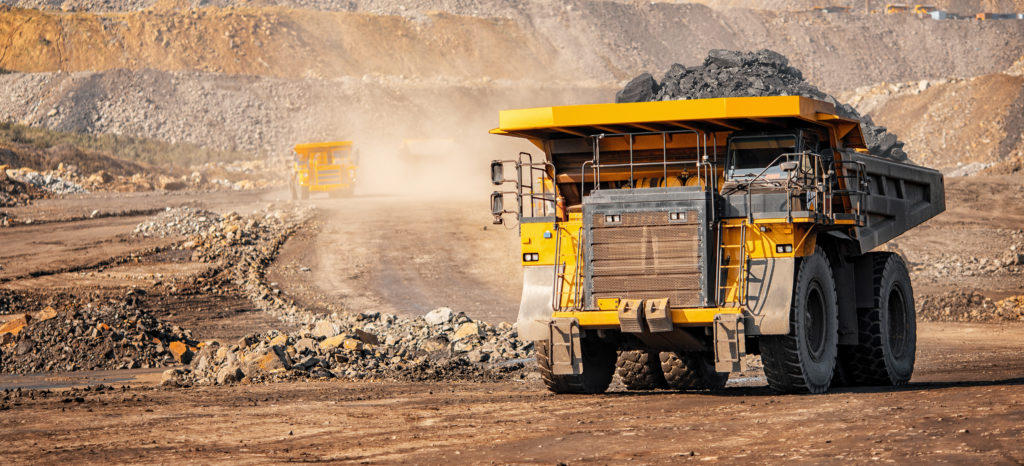
Our Annual Refresher training provides 8 hours of MSHA Part 48B compliance training. MSHA Part 48B is for workers on the Surface of an Underground Mine – NOT UNDERGROUND MINING. Federal compliance requires a comprehensive and effective curriculum for working in a surface mining environment to develop good judgment and safe work habits for years of safe mining. The Surface Miner Training curriculum parallels the required and suggested topics outlined in Part 48B federal regulations addressing miner training.
United Safety Solutions Course Covers:
Key elements of the MSHA Annual Refresher Training course, Title 30 CFR, Part 48B
Introduction to the Mining Environment
Includes, but is not limited to:
- Definition of mining – Surface mining development, operations, and reclamation
- Physical characteristics of a surface mine and the surface of an underground mine
- Typical surface mining equipment
Hazard Recognition and Avoidance:
- Overview of common hazards relating to surface mining operations and general steps to avoid them. Hazards are those which result in property damage, illness, serious injury, or death.
- Environmental hazards – Equipment hazards – Physical hazards – Chemical hazards
Emergency Procedures:
Procedures to follow during an emergency situation in a mine site include, but are not limited to:
- Types of emergencies
- Emergency procedures
- Fire and firefighting procedures
- Warning signals, evacuation, and reporting
Health and Safety Aspects of Tasks and Operations:
Highlights best practices for tasks and operations common to surface mines, including, but not limited to:
- Preventing accidents
- Working around equipment
- Maintaining and repairing equipment
- Working in a confined space
- Working on or near water
- Working at night
- Working with chemicals
- Working with electricity
- Working with explosives
Hazard Reporting Rules and Procedures:
Outlines the general process for reporting hazardous conditions as well as immediately reportable accidents and injuries.
Statutory Rights of Miners:
Outlines the rights of miners and their representatives as granted by the Federal Mine Safety and Health Act of 1977.
The Line of Authority:
General line of authority and responsibilities of supervisors and miners’ representatives as well as role and responsibility of designated safety personnel.
Respiratory Devices:
Information on the proper use and maintenance of the types of respirators commonly used at surface mining operations, including, but not limited to:
- Respirators – Escape respirators – Self-contained self-rescuers
First Aid:
Functional understanding of common health conditions, injuries, and emergencies. First aid is taught for:
- Various situations – Emergencies – Common injuries
Certification:
Successful completion requires 80% passing score or better on quizzes.
Upon successful completion, participants receive a 5000-23 certificate, documentation to satisfy MSHA.